














Manufacturing a Laguiole Knife in the Laguiole Le Fidèle Workshop
Discover how a traditional Laguiole knife is handcrafted step by step. From fitting the handle scales to drilling, assembling, sharpening and final polishing, each stage reflects authentic French cutlery craftsmanship.
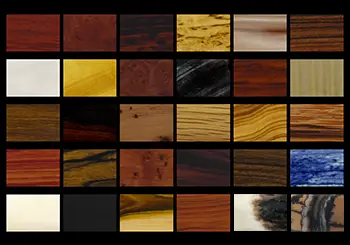
Shop all Laguiole knives | Handle materials | Delivery information
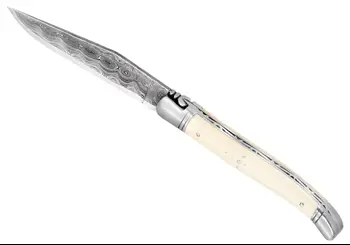
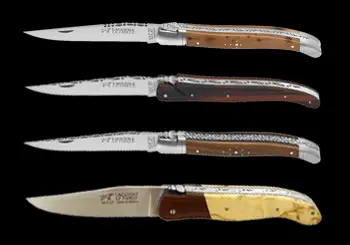
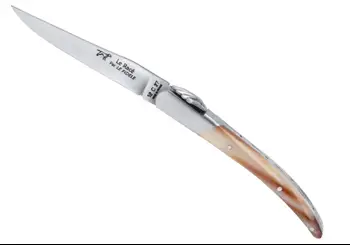
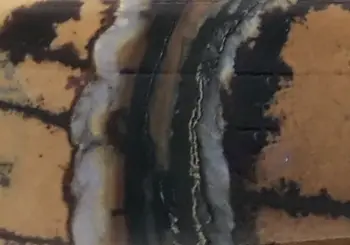
Laguiole knife with stainless steel bolsters and blonde horn handle.
Contents
- Main components of a Laguiole knife
- Manufacturing steps (videos)
- Quality & care advice
- View featured knife
- FAQ
Main Components: Blade, Plates, Handle Scales & Spring
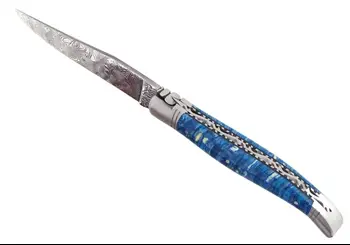
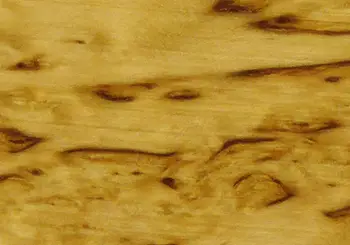
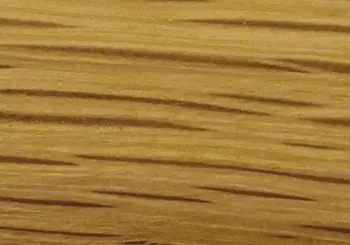
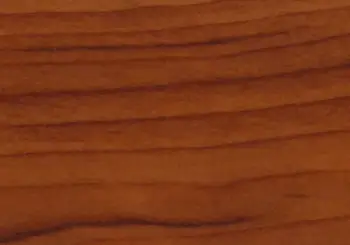
A traditional Laguiole knife consists of several essential parts: the blade, the spring, the two metal plates forming the structure of the handle, and the handle scales (horn or wood). These elements are carefully adjusted and assembled to ensure durability, smooth opening, and perfect blade centering.
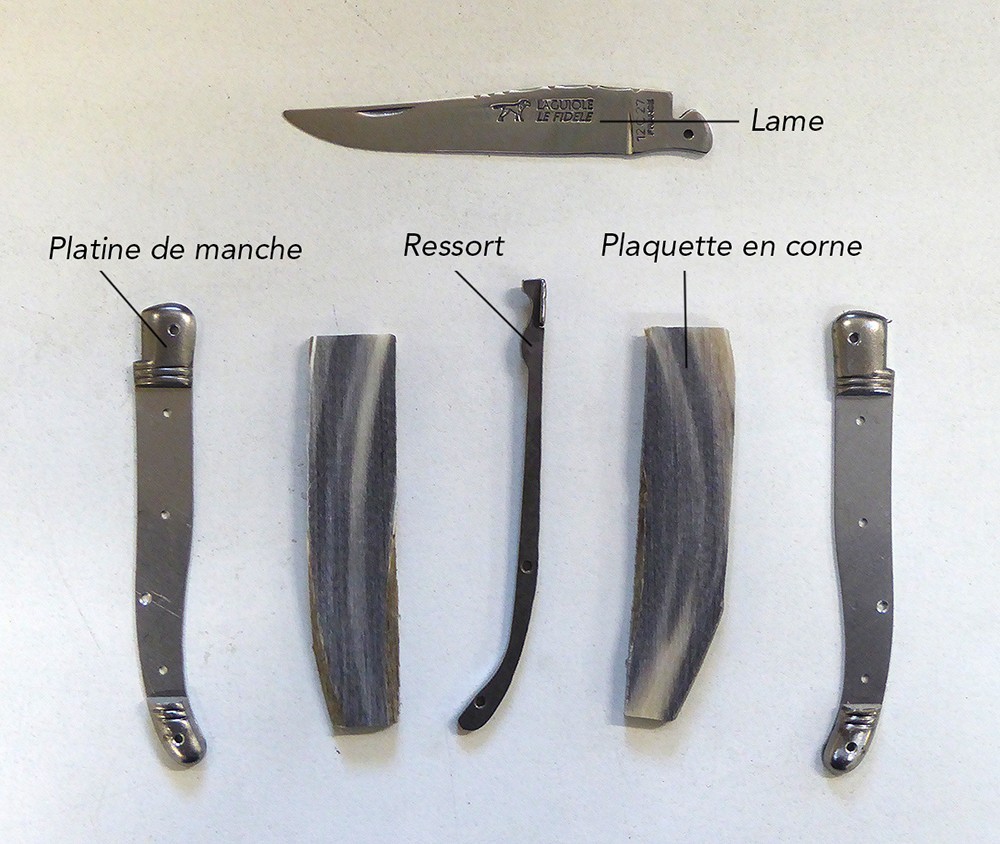 Main parts before assembly.
The manufacturing of the blade, spring and plates will be presented in detail on a dedicated page.
Step-by-Step Manufacturing Process (Videos)
1) Fitting the Handle Scales
The horn or wood scales are precisely fitted to the metal plates. This step determines the comfort, alignment and overall finish of the handle.
2) Drilling the Handle Material
Once adjusted, the handle material is drilled in preparation for assembly and rivet placement.
3) Drilling the Shepherd’s Cross
The iconic Shepherd’s Cross is created by precisely drilling the rivet positions. Depending on the model and material, the rivets may be fully visible or partially hidden.
4) Milling the Plates
The metal plates are milled to ensure accurate fitting and structural stability.
5) Assembly and Blade Centering
All elements are assembled using stainless steel and brass rivets. Brass rods are inserted into the Shepherd’s Cross holes. The blade is then riveted and carefully centered.
6) Spring Adjustment & Rough Sanding
The spring is adjusted and the remaining rivets are flattened. The handle is sanded to smooth brass liners, rivets and contours.
7) Fine Sanding & Final Sharpening
The handle undergoes several sanding passes with progressively finer grits. The blade receives a final sharpening to create a precise cutting edge.
8) Final Polishing
The knife is polished using fabric wheels and polishing paste, giving it its elegant and refined final appearance.
9) The Final Result
The finished Laguiole knife features a perfectly adjusted handle, clean finishing and a precisely centered blade.
Quality & Care Advice
- Cleaning: Wipe and dry the blade before closing the knife.
- Sharpening: Maintain the edge regularly for optimal performance.
- Storage: Keep your knife in a dry place away from humidity.
Laguiole Knife – Blonde Horn Tip Handle – Stainless Steel Bolsters
Frequently Asked Questions
How many steps are required to manufacture a Laguiole knife?
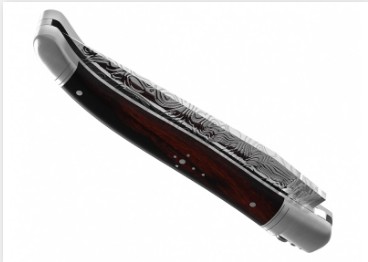
A Laguiole knife involves numerous manual operations including fitting, drilling, assembly, shaping, sharpening and polishing.
Is the Shepherd’s Cross always visible?
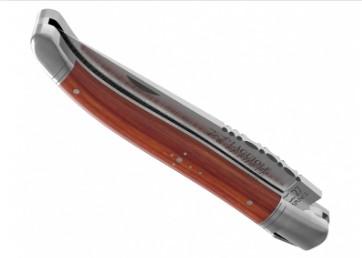
Not necessarily. Depending on the design and material, the rivets may be fully visible or partially hidden.
Can a Laguiole knife be personalized?
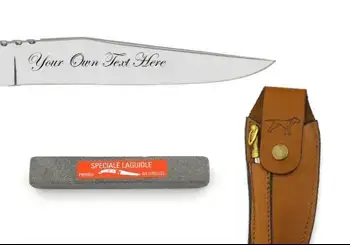
Yes. Depending on the model, engraving on the blade or spring is possible.