















Comment reconnaître un couteau Laguiole authentique : guide anti-contrefaçon
Le nom “Laguiole” est aujourd’hui largement utilisé et fait l’objet de nombreuses copies. Ce guide vous aide à reconnaître un vrai couteau Laguiole : origine, finitions, matériaux, assemblage, abeille, mitres, rivets et gravures.
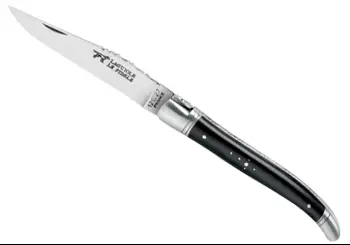
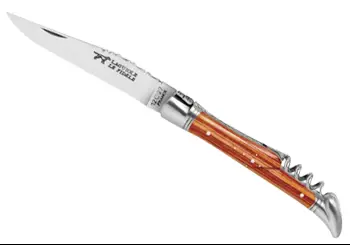
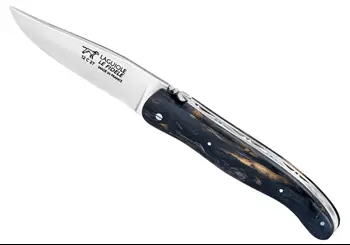
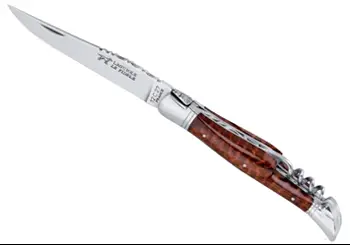
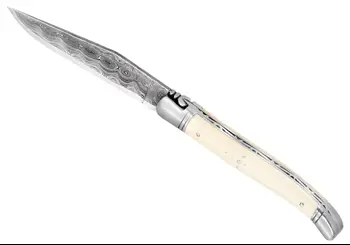
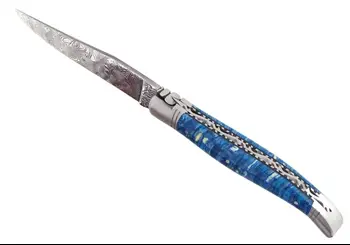
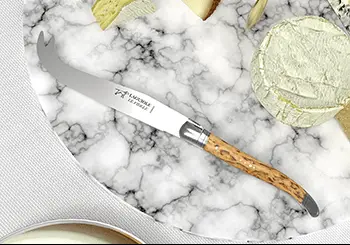
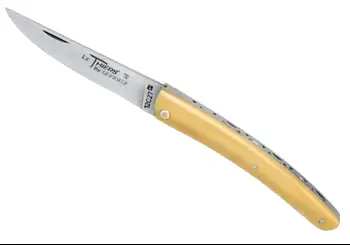
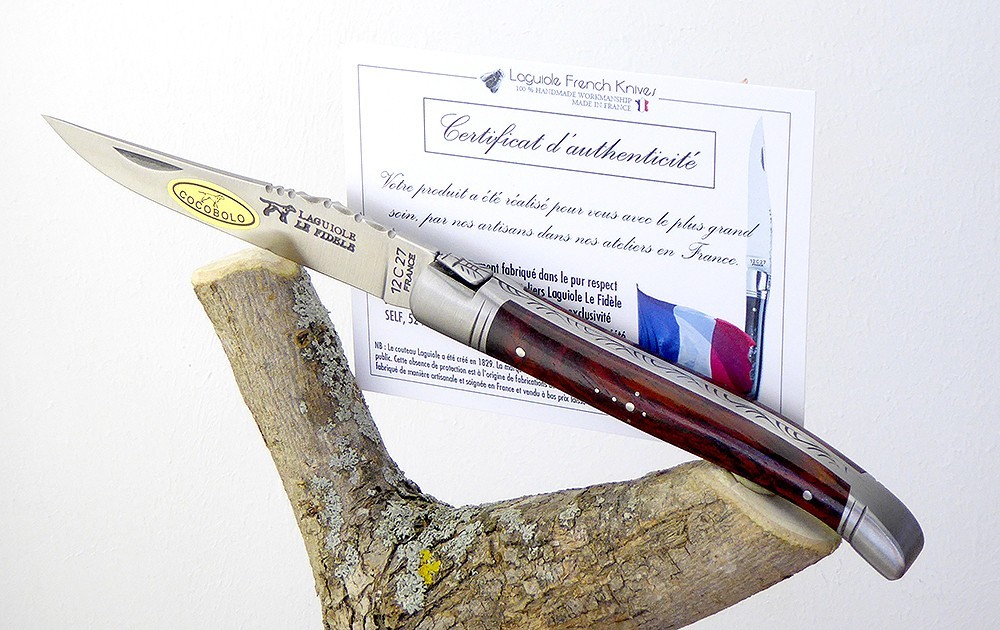
Exemple de couteau authentique avec certificat :
Sommaire
- Origine du couteau Laguiole
- Pourquoi existe-t-il des contrefaçons ?
- Nos fabricants : Le Fidèle, Dozorme, Laguiole en Aubrac
- Checklist : 8 critères pour reconnaître un vrai Laguiole
- Croix du berger : pourquoi n’est-elle pas toujours visible ?
- Nos gammes de couteaux Laguiole (liens directs)
- Questions fréquentes
Origine du couteau Laguiole
Le premier couteau Laguiole aurait été fabriqué en 1828 à Laguiole, village du sud de la France. Avec le temps, ce couteau est devenu un symbole de la coutellerie française, apprécié pour son élégance, ses matériaux nobles et ses finitions.
Pourquoi existe-t-il des contrefaçons “Laguiole” ?
Laguiole n’est pas une marque déposée (nom trop ancien et devenu d’usage courant). Résultat : le terme peut être utilisé par de nombreux fabricants, y compris pour des couteaux sans lien avec la tradition et parfois produits à bas coût, notamment en Asie.
C’est pourquoi il est essentiel de vérifier l’origine, la qualité des matériaux et les détails de fabrication.
Quels fabricants proposent des Laguiole traditionnels de qualité ?
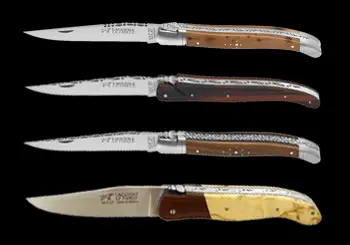
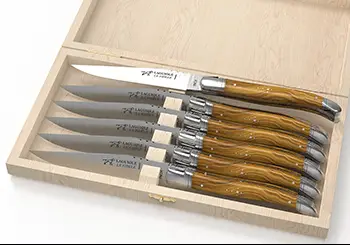
Plusieurs ateliers français respectent un processus de fabrication traditionnel. Sur notre site, nous proposons des couteaux issus de fabricants reconnus : Laguiole Le Fidèle, Claude Dozorme et Laguiole en Aubrac.
Les deux premiers sont situés près de Thiers, capitale internationale de la coutellerie, et Laguiole en Aubrac est basé à Espalion, en Aubrac.
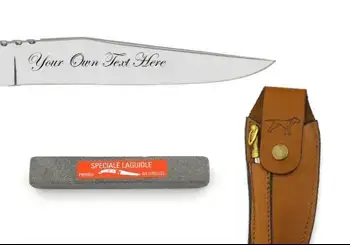
Point clé : le nom de la marque est généralement gravé sur la lame.
Nos couteaux sont réalisés par des artisans expérimentés, avec de nombreuses opérations manuelles, et bénéficient d’une garantie à vie contre tout défaut de fabrication.
⚠️ Un Laguiole authentique est un couteau fait main, avec une matière première de qualité : il est donc rarement “très bon marché”. Les prix trop bas sont souvent un signal d’alerte.
Checklist : 8 critères pour reconnaître un vrai couteau Laguiole authentique

- Matériaux du manche
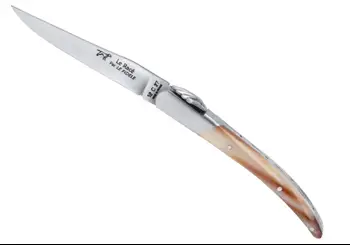
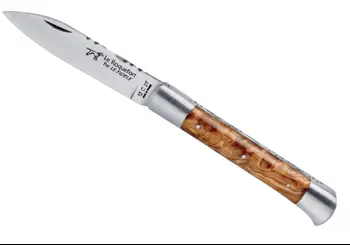
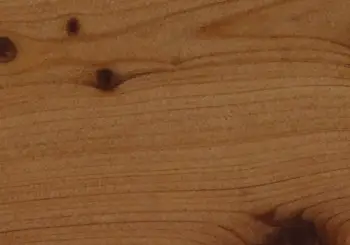
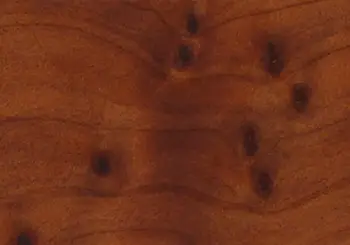
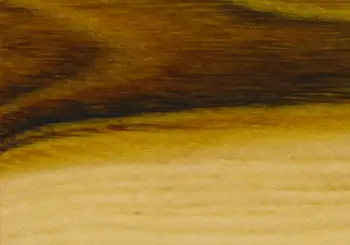
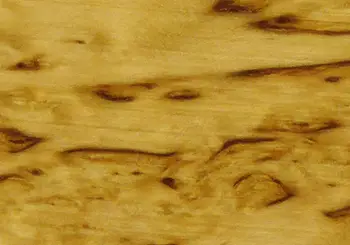
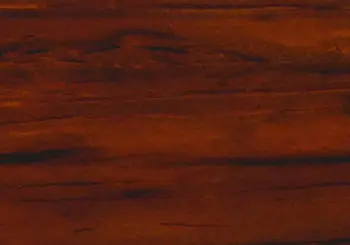
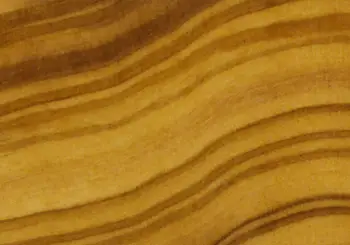
Un vrai Laguiole utilise des matières de qualité : corne véritable, bois (olivier, ébène, genévrier…), matériaux nobles ou rares selon les gammes. - Assemblage traditionnel (pas de colle)
L’assemblage se fait à la main, avec ajustages précis. Les contrefaçons sont souvent collées. - Lame en acier de qualité
Les lames de qualité sont bien polies, régulièrement affûtées et résistantes à la corrosion. Les faux couteaux utilisent souvent un acier inférieur qui marque et vieillit mal. - Mitres
Sur un Laguiole traditionnel, les mitres sont généralement en laiton ou en acier (poli ou brossé selon les modèles). Les copies utilisent souvent des matériaux plus légers et moins durables. - Abeille
Elle est en acier, soudée au ressort ou forgée avec le ressort selon les gammes. Sur de nombreuses contrefaçons, l’abeille est collée et peut se décoller. - Ressort et guillochage
Le ressort est travaillé (guilloché) et l’ensemble présente une cohérence de finition. Un faux Laguiole aura souvent un dos grossier ou des motifs “imprimés” sans finesse. - Croix du berger / rivets
Sur certains modèles traditionnels, 5 rivets forment la croix du berger. Mais son absence visible ne signifie pas forcément contrefaçon (explications ci-dessous). - Poids, équilibre, ajustage
Un authentique Laguiole est souvent plus lourd et surtout mieux équilibré : pas de jeu, pas de frottement, ouverture/fermeture nette.
Les couteaux Laguiole que nous proposons sont fabriqués de manière traditionnelle et garantis à vie contre les défauts de fabrication.
Pourquoi la croix du berger n’est pas présente sur tous les couteaux ?
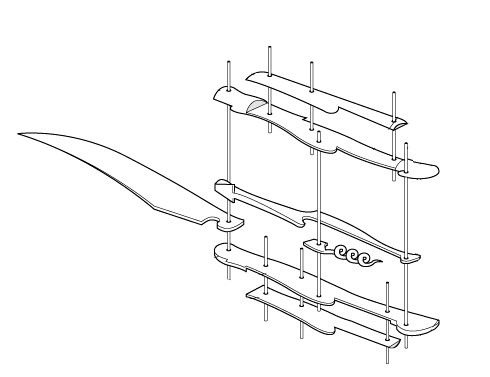
La “croix du berger” correspond à 5 rivets qui, une fois montés, forment une croix sur le manche. Voici un schéma de montage :
1) Rivets décoratifs supplémentaires
Sur certains modèles, des rivets supplémentaires sont ajoutés (ex. 9 rivets en étoile) : cela renforce la structure et apporte un style plus “design”.

2) Matières fragiles : croix non visible
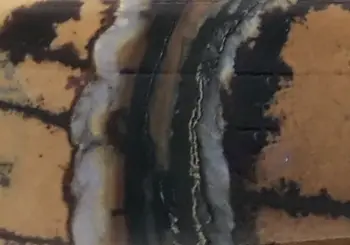
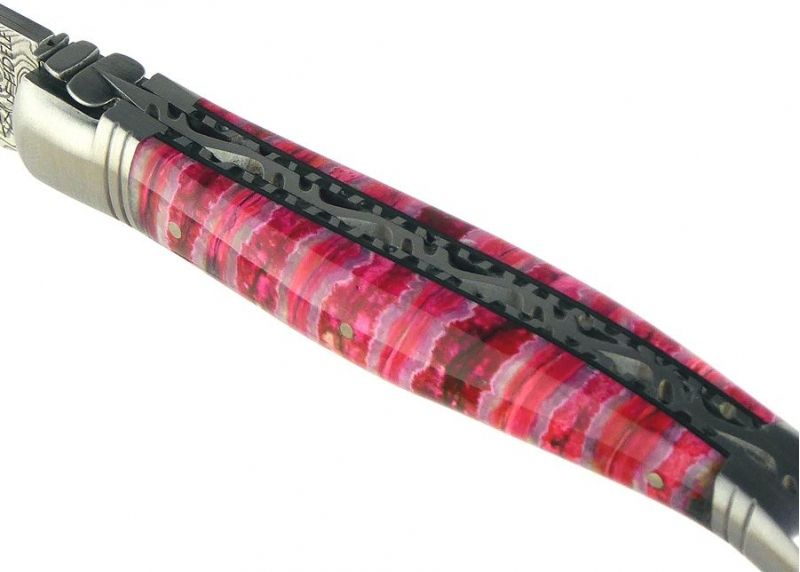
Sur certaines matières plus fragiles (ex. bois de cerf, molaire de mammouth), le perçage visible peut fragiliser le manche. Dans ce cas, les rivets existent bien, mais seuls certains rivets peuvent être visibles.
Nos gammes de couteaux Laguiole

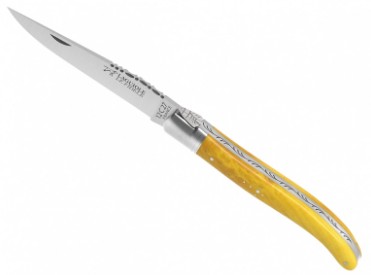
Couteau Laguiole traditionnel 1 mitre inox
Voir tous nos Laguiole traditionnels 1 mitre inox
Couteau Laguiole traditionnel 2 mitres inox

Voir tous nos Laguiole traditionnels 2 mitres inox
Couteaux Laguiole plein manche
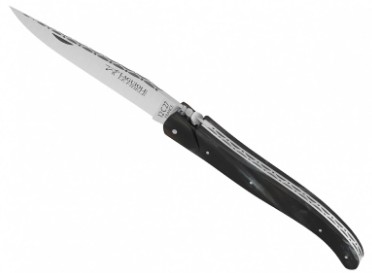
Voir tous nos Laguiole plein manche
Couteaux Laguiole Prestige
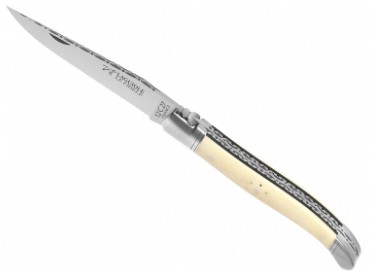
Voir tous nos couteaux Laguiole Prestige
Couteaux de chasse Laguiole
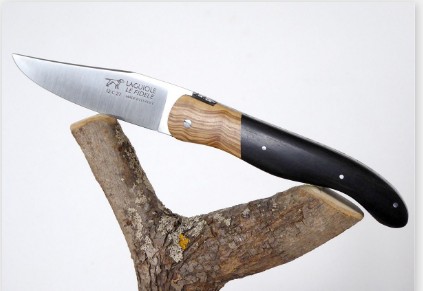
Voir tous nos couteaux de chasse Laguiole
Couteaux Laguiole avec lame Damas
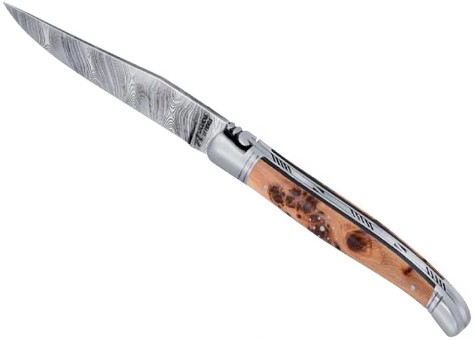
Voir tous nos couteaux Laguiole avec une lame Damas
Questions fréquentes : vrai Laguiole vs contrefaçon
Est-ce que la présence de l’abeille garantit l’authenticité ?
Non. Beaucoup de copies ont une “abeille”. Ce qui compte, c’est la qualité de fabrication : abeille soudée/forgée, ajustage, finitions, acier, marque gravée, etc.
La croix du berger est-elle obligatoire ?
Non. Certains modèles n’affichent pas la croix pour des raisons esthétiques ou techniques (matières fragiles). L’absence visible n’est pas un critère suffisant.
Pourquoi un “vrai Laguiole” ne peut pas être très bon marché ?
Un Laguiole de qualité est assemblé à la main, avec des matières nobles et des finitions exigeantes. Le temps de travail et la qualité des matériaux expliquent un prix plus élevé.